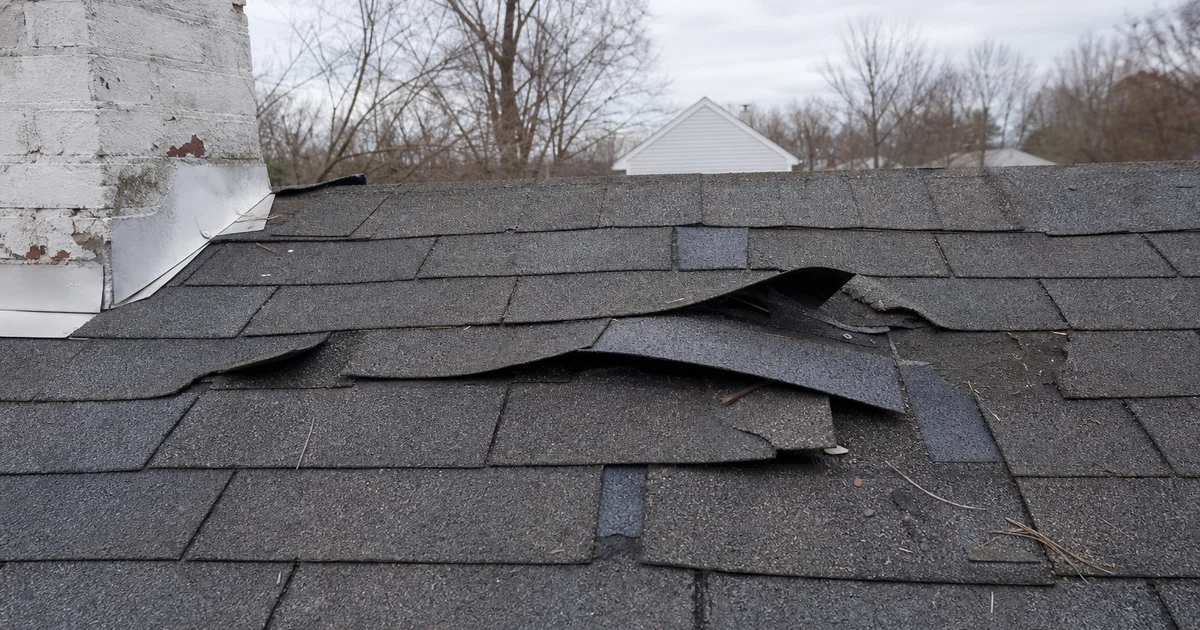
We know the feeling of waking up after a severe Connecticut Nor’easter and wondering if your home took a hit. High winds and sudden hail often leave subtle marks that turn into major leaks months later. Spotting the early signs of storm damage to your roof can save you thousands in emergency repairs.
Let’s walk through the exact ground-level post storm roof check our crews use to assess properties.
This guide will show you what to look for, what it means, and precisely when to call in a professional.
The Ground-Level Post-Storm Checklist
The best time to run this evaluation is the morning after any weather event matching the National Weather Service criteria for severe thunderstorms. That means sustained 58 mph winds or hail measuring at least one inch in diameter. Catching issues early keeps repair costs low.
We recommend taking 10 minutes to walk your property before calling your insurance agent. Standard architectural shingles from brands like GAF and Owens Corning are rated for high winds, but flying debris causes unpredictable impact points.
From the Ground
Start by getting a clear view of the entire structure from your driveway and backyard.
- Walk the perimeter and look up. Note any missing shingles, lifted corners, or shingles visibly out of alignment.
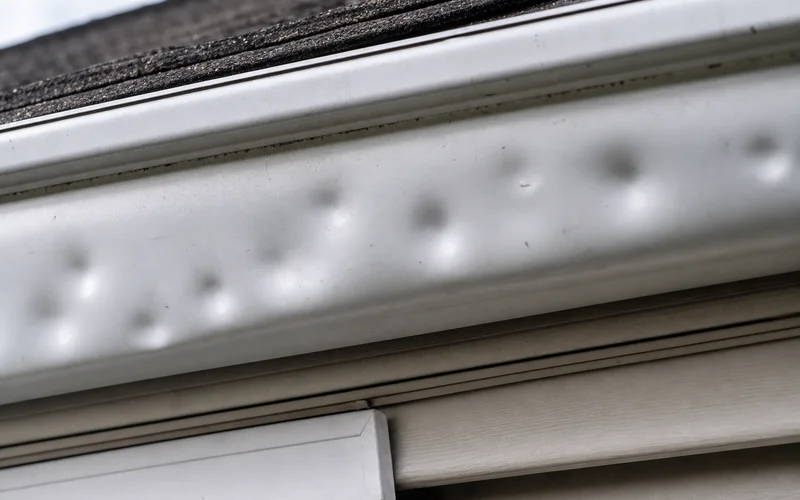
- Check the gutters and downspouts. Finding heavy piles of granules indicates impact wear, while dented aluminum metal points directly to hail strikes.
- Look at the dripline. Shingle granules, broken asphalt pieces, or torn underlayment scraps on the ground are immediate red flags.
- Inspect visible flashing. Chimney flashing, plumbing-vent boots, and dormer step flashing should all sit flush against the materials.
- Scan the yard for debris. Heavy oak branches or flying debris can fracture the fiberglass mat of a shingle even when the surface looks completely intact.
Inside
Your attic and upper floors offer some of the clearest evidence of water intrusion.
- Check the attic with a flashlight. Look for dark water staining on the underside of the plywood roof deck, particularly beneath valleys and around masonry chimneys.
- Inspect top-floor ceilings. New yellow or brown water spots in the corners of rooms indicate a fresh breach.
- Examine window frames. Wind-driven rain easily finds compromised window flashing during intense local storms.
Our inspectors frequently use FLIR thermal imaging cameras to catch cold moisture pockets behind drywall before stains ever appear. Consider buying a cheap moisture meter from a local hardware store to check suspicious drywall spots yourself.
What Each Damage Type Tells You
Different weather events leave distinct physical signatures on your exterior materials. Understanding these hail wind damage signs helps you communicate clearly with an insurance adjuster.
| Damage Signature | Primary Cause | What It Actually Means |
|---|---|---|
| Creased or Lifted Shingles | Wind | The adhesive sealant strip broke under stress. |
| Dented Soft Metals | Hail | 1-inch or larger hail struck the property. |
| Heavy Granule Loss | Severe Weather | UV protection is rapidly degrading. |
We consistently see property owners underestimate the severity of lifted shingles. Even asphalt shingles that look reseated will fail during the next storm because the original adhesive bond is permanently broken. These represent standard insurance-claim items in Connecticut.
- Dented soft metals like gutters, roof vents, and AC condenser fins strongly indicate hail impact. Hail dents on aluminum are a glaring indicator that your shingles likely suffered invisible structural bruising.
- Granule piles in gutters or at the dripline indicate a loss of critical UV protection. Large piles signaling accelerated wear often push an aging asphalt roof to the end of its functional life.
- Active leaks or new ceiling stains indicate the weather has already breached the underlayment. Call (203) 824-0275 as soon as possible — these structural issues compound very quickly.
What to Do Next
Your next move depends entirely on the specific severity of the damage you just documented. The Connecticut Insurance Department requires property owners to mitigate further damage promptly after a known weather event. See also: Wind Damage vs Hail Damage on Roofs.
After finishing your ground-level walk-around, follow this simple protocol:
- No visible exterior or interior signs: Note the specific date and storm details for your personal records. No immediate action is necessary.
- Visible exterior damage but no interior signs: Schedule a free post-storm inspection within 7 days. Time-sensitive evidence washes away quickly.
- Active interior leak: Call a professional immediately for emergency tarping to stop water entry.
- Insurance-relevant damage: Open a dedicated claim file right away. Photographing everything before any cleanup happens makes a massive difference.
Photographing for Insurance
Documenting the exact state of your property before any temporary repairs occur is critical for a successful insurance process. Adjusters handle hundreds of files after a major regional blow, so clear visual evidence speeds up your specific approval.
We suggest using a timestamp camera app like Solocator to permanently embed the date and time on every photo file.
Capture these specific angles from the safety of the ground:
- Wide shots showing each full elevation of the house.
- Close-up shots highlighting any visible shingle tears.
- Clear photos of any dented aluminum gutters or vents.
- Detailed images of fresh granule piles and fallen debris.
- Date-stamped files to prove the exact timeline.
This organized documentation strongly supports your case independent of what a busy adjuster might miss during a quick walk around the yard.
When to Wait, When to Call
You should request a professional evaluation anytime you find physical debris on the ground or spot water entering the home. A free property assessment is exactly that: a zero-cost review of your exterior.
We will tell you straight whether the situation requires a simple patch or justifies a full replacement claim.
There is zero obligation and absolutely no high-pressure sales pitch. Our team would rather lose an appointment that turns out to be nothing than have a local homeowner sit on a leaking property because they did not want to bother anyone.
Catching the signs of storm damage to your roof today protects your most valuable asset tomorrow. Reach out if you need a trained set of eyes on your property.