Leak & Emergency in Connecticut: What Every Job Includes
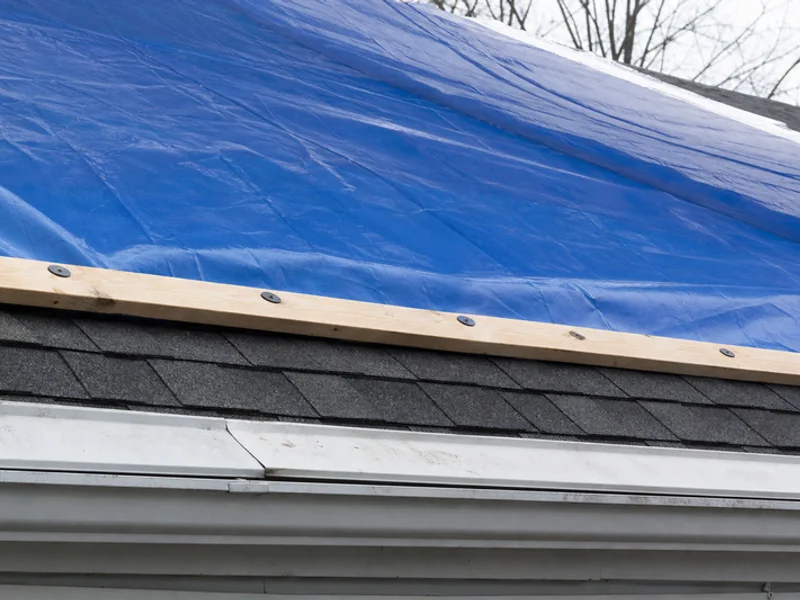
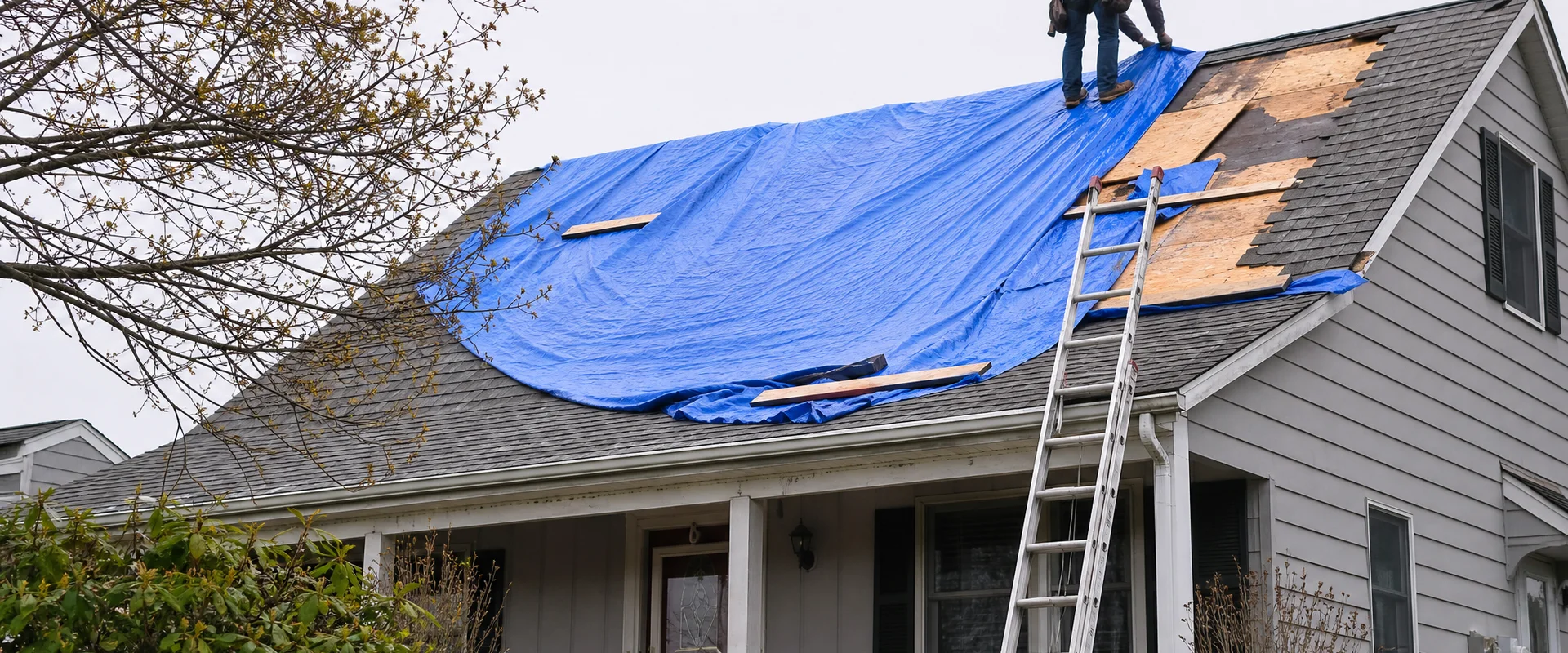
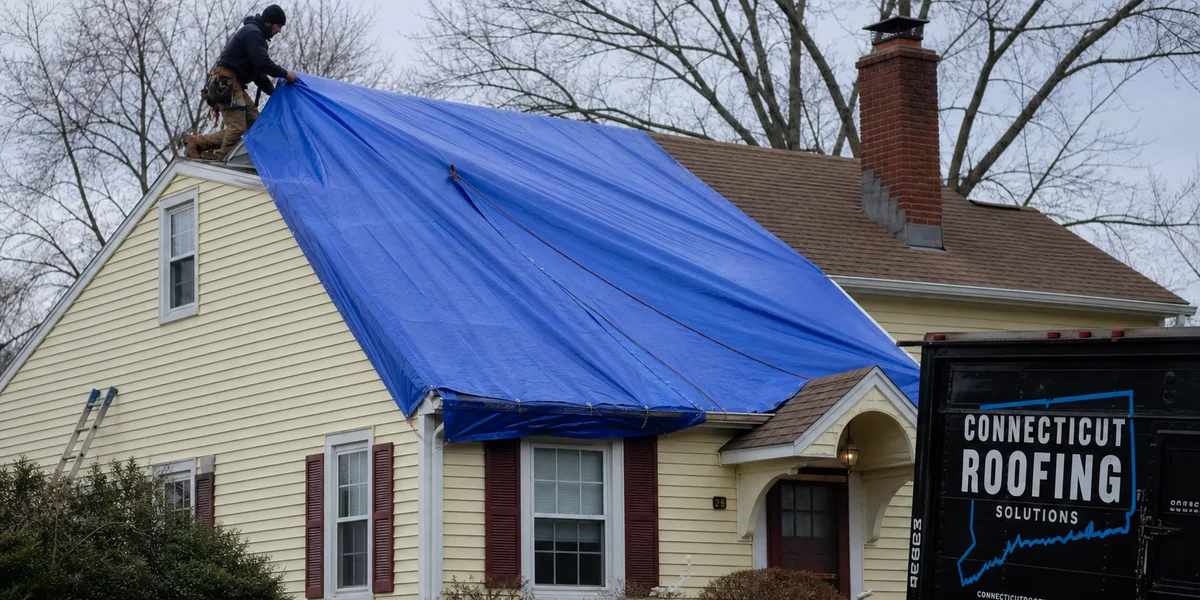
An active leak isn't a slow-decision purchase, and it isn't a sales opportunity. We pick up the phone during office hours (Mon–Fri 7am–6pm) and respond fast to active-leak emergencies. If your roof is leaking right now, we'll walk you through what to do indoors, schedule a visit as soon as possible, and tarp the affected area before secondary damage spreads. Once the active leak is controlled, we diagnose the source — flashing failures, lifted shingles, ice-dam damage, valley leaks, or clogged gutters causing back-flow — and quote either a targeted repair or, if the roof has earned it, a full replacement.
- Office hours Mon–Fri 7am–6pm, emergency response for active leaks
- Emergency tarping with proper-edge securing
- Honest repair-vs-replace recommendation
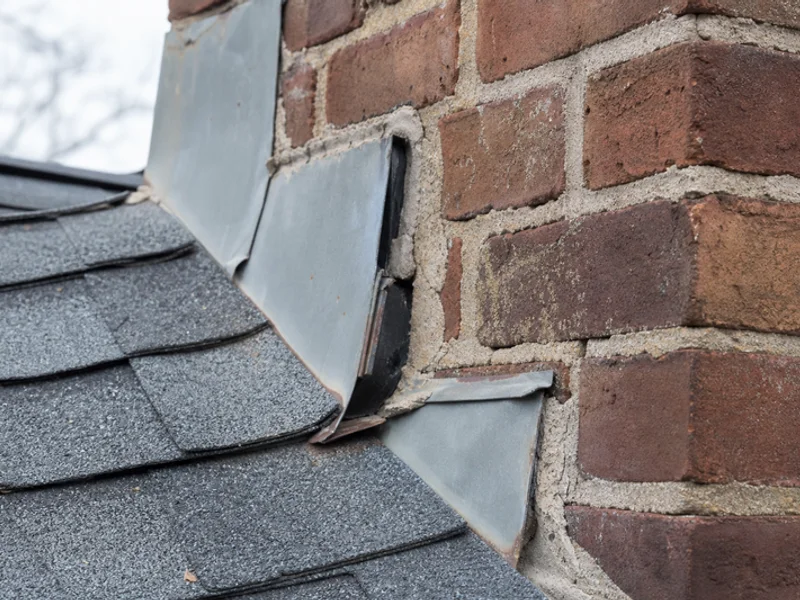
- Flashing, valley, and ice-dam damage diagnostics
- Insurance-documentation photos at no extra cost
- Free written estimate even on emergency calls
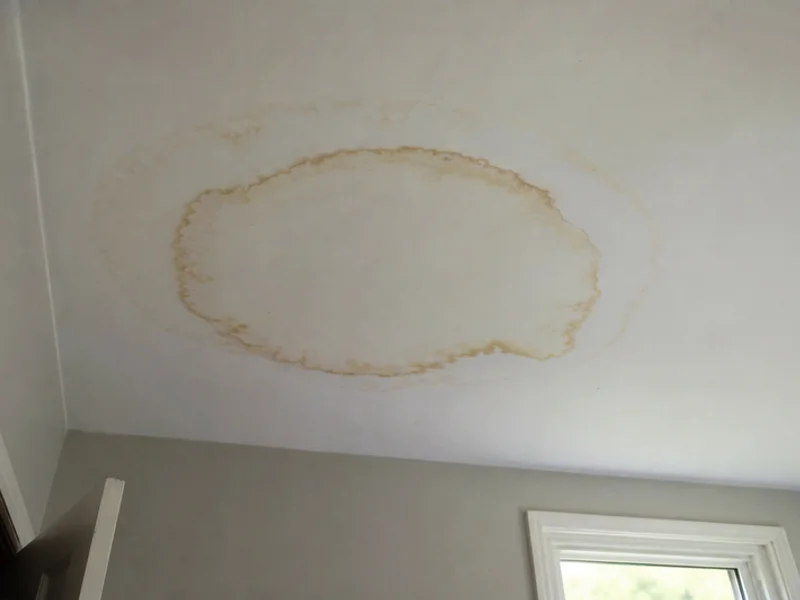
Have you ever looked up at your ceiling and noticed a terrifying brown water stain spreading across the paint? Facing a sudden roof leak & emergency repair is a stressful moment for any Connecticut homeowner.
We know exactly how that sudden panic feels. Helping countless neighbors deal with unexpected storm damage across the state has taught us exactly what to do.
Dealing with an active drip can feel overwhelming.
You might be wondering how much damage is happening behind the walls right now.
We are going to walk you through the exact steps to protect your home and handle this situation smoothly. Grab a bucket, and let’s get that water contained together.
What to Do Right Now if Your Roof Is Leaking
Call (203) 824-0275 first to get a fast response rolling. We dispatch our local crews during office hours (Mon–Fri, 7am to 6pm). Arrival times for active-leak calls are typically as fast as possible during business hours.
You need to contain the water indoors immediately while you wait for help. Take these quick steps to protect your interior:
- Move your valuable belongings away from the affected area.
- Put down thick towels to soak up splashes on the floor.
- Position a large, 5-gallon bucket directly under the active drip to catch the water.
- Photograph everything, including the ceiling stain and the water’s path down your walls, for insurance documentation.
Is your ceiling bulging from accumulated water weight? Grab a screwdriver or a nail and poke a small hole in the lowest sag point. This simple trick lets the trapped water drain safely into your bucket.
The bulge can release suddenly if left alone. Cleaning up a controlled drip is much easier than dealing with a collapsed ceiling.
According to the Institute of Inspection, Cleaning and Restoration Certification, mold spores can begin germinating within just 24 to 48 hours of water exposure. This narrow window means acting quickly is your best defense against secondary damage.
How We Diagnose a Leak
The visible interior stain is almost never directly under the actual roof breach. Water usually travels along the framing of your house, like rafters, trusses, and sheathing seams. The water can travel ten or fifteen feet from the entry point before finally emerging at your ceiling.
We track the water back to its true source to provide a real diagnosis. Finding the stain and determining the framing direction is the critical first step.
We then look directly up-slope on the roof exterior. From there, an inspection of vulnerable details on that path, like a chimney flashing or a vent boot, reveals the true entry point.
Common Connecticut Leak Sources
The harsh local weather creates specific vulnerabilities for homes in our area. January 2026 alone brought three major winter storms to the Northeast, causing a massive spike in ice dam damage and roof stress across Connecticut.
Here are the most frequent culprits we see, in rough order:
- Cracked vent boots: These rubber gaskets seal around plumbing vents. Standard neoprene boots typically fail after 10 to 15 years, meaning they crack long before your 30-year shingles wear out.
- Chimney step flashing failures: This issue is especially common on older Hartford County homes where the metal seals eventually degrade.
- Valley leaks: Water pools heavily at the intersection of two roof planes during heavy rain, stressing the joints.
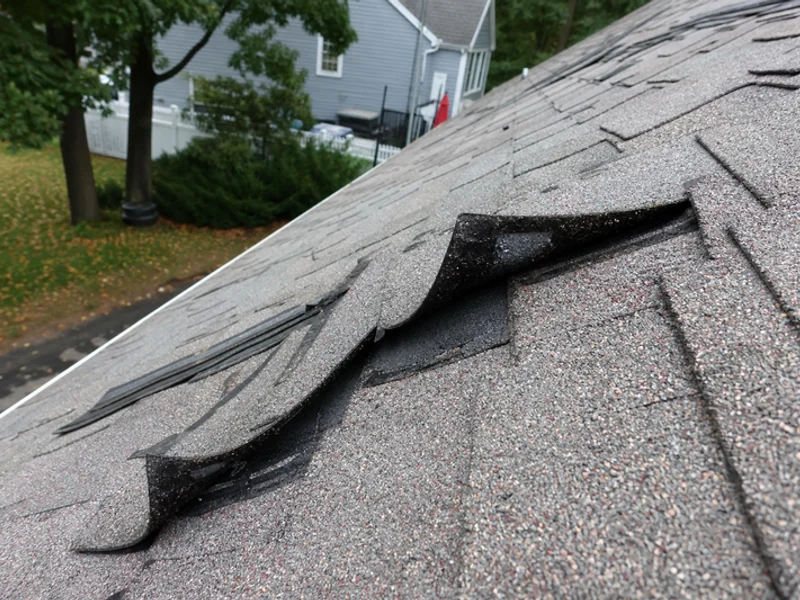
- Lifted shingles: Strong wind events can easily break the sealant strips and expose the sensitive underlayment beneath.
- Ice-dam back-flow: Winter freezes force melting snow backward under the eaves, bypassing normal drainage paths.
- Ridge vent end-cap failures: Missing caps let blowing rain enter straight into the attic space.
Repair vs Replace, the Honest Call
Deciding whether to patch a leak or upgrade the whole system can feel difficult. We always look at the age of your structure and the extent of the damage first. A simple fix is often the right answer if your roof is under 12 years old and the damage is localized.
Our crews can replace worn flashing, swap out a cracked vent boot, or repair a leaky valley. Blown-off shingles are also easily replaced during a standard service call.
These targeted fixes usually run between $350 and $1,500 in most cases. A professional patch lets you get the full remaining service life out of the rest of your home’s exterior.
Repairs start becoming a game of diminishing returns if your materials are over 18 years old. Are you calling about a third leak in just 18 months?
We will quote both options, including a patch and a full replacement, and let you make the final decision.
Making the Financial Choice
The honest call usually favors replacement at that older age point. Stacking multiple $1,200 repairs on an aging structure rarely makes financial sense.
You often end up spending close to the cost of a new installation within 24 months anyway. Recent 2026 data shows that a complete asphalt shingle roof replacement in Connecticut averages between $8,500 and $16,500.
Here is a quick breakdown to help you compare your options clearly:
| Decision Factor | Targeted Repair | Full Replacement |
|---|---|---|
| Average Cost | $350 to $1,500 | $7,499 (Starting) up to $16,500 |
| Best For | Roofs under 12 years old | Roofs 18+ years old |
| Long-Term Value | Restores remaining lifespan | Resets the clock for 20-30 years |
| Issue Frequency | First-time, isolated leaks | Multiple leaks within 18 months |
This clear cost comparison highlights why investing in a new system is sometimes the safer bet. Our goal is to provide you with the facts so you can protect your property and your wallet.
Making an informed choice prevents a small issue from becoming a major structural headache. You deserve a dry, safe home that can withstand the next New England storm.
Contact us today for reliable roof leak & emergency repair services.
We are ready to help you secure your property fast.