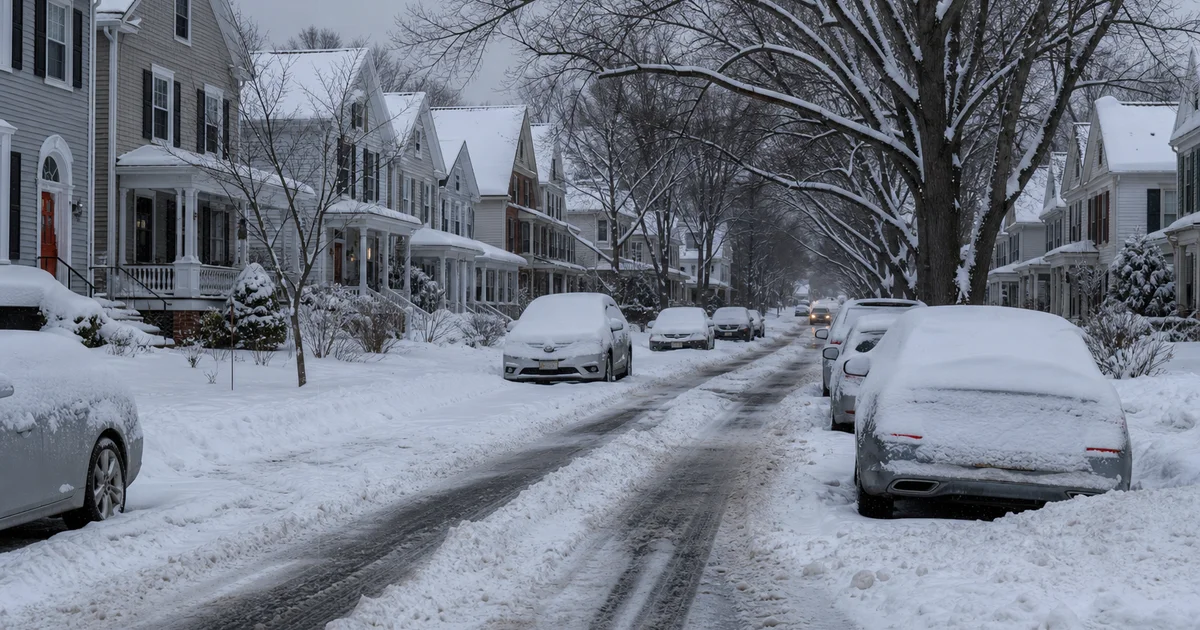
As roofing professionals, our teams have seen exactly what winter storm roof damage does to properties across Connecticut. The Northeast experiences 20 to 40 of these cyclonic events annually, according to the National Oceanic and Atmospheric Administration. Those numbers mean coastal and inland properties face repeated, intense stress testing year after year.
Our field data shows the cumulative effect of these slow-moving systems is often more destructive than a quick hurricane strike. You will find that the sustained moisture intrusion causes immense hidden damage.
Let’s examine the specific ways these storms compromise building exteriors and walk through a practical plan for recovery and insurance documentation.
What Makes a Nor’easter Different
We know that these storms are the dominant weather event for Connecticut roofs. A Nor’easter differs from a standard summer thunderstorm in a few critical ways.
-
Sustained winds, not gusts. A typical thunderstorm produces 60 to 80 mph gusts for 5 to 10 minutes. Our experience shows that a Nor’easter holds 50 to 70 mph winds for 12 to 36 hours. Sustained pressure stresses shingle seals far more than brief gusts.
-
Massive scale and heavy precipitation. The National Oceanic and Atmospheric Administration notes that these cyclonic storms can span up to 1,200 miles in diameter. Combine that massive size with sustained wind and 4 to 8 inches of rain, or 12 to 24 inches of snow, and water finds any compromised flashing detail. Wind-driven rain pushes water uphill on shingles in ways that calmer storms simply cannot match.
-
Ice-dam compounding. These storm systems often drop wet snow followed by a cold-week aftermath. This creates the worst possible ice-dam conditions. Heavy snow load, slow melt, and refreeze cycles at the eaves place immense pressure on your gutters.
The slow forward speed of these systems means water gets forced against the exact same vulnerable roof joints for days. This compounded effect is why damage often shows up as a combination of wind-lifted shingles, water-staining at the eaves, and interior ceiling damage on top-floor exterior walls.
Typical Damage Patterns on Hartford County Homes
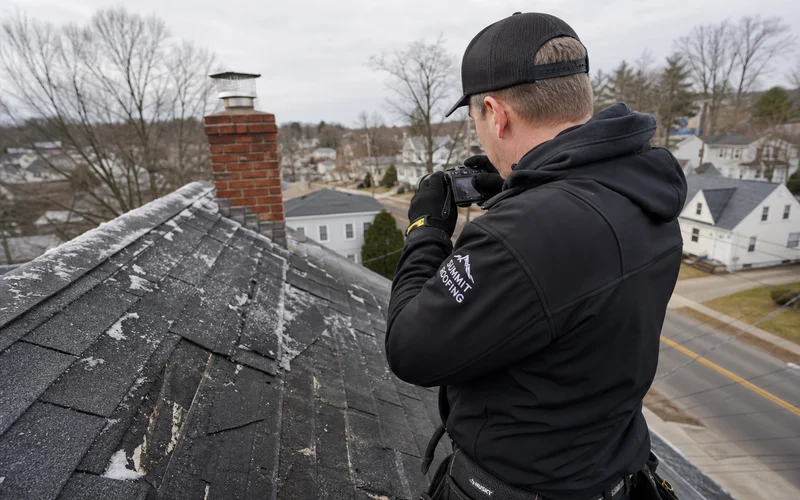
After 20 plus years of assessing a Hartford County Nor’easter, the damage patterns are highly predictable. Freeze-thaw cycling during these events causes water to seep into tiny gaps, expand when frozen, and break apart roofing materials.
Our crews frequently spot early warning signs long before a major leak occurs. Industry data indicates that up to 90 percent of premature roof failures begin with the exact same slow-moving issues.
Most homes in Avon, West Hartford, and Manchester see one or more of these problems after any major winter event:
- Lifted shingles along ridges and rakes from sustained wind pressure
- Sealant-strip failures even on shingles that look intact
- Excessive granule loss washing into gutters and downspouts
- Ice-dam water intrusion at the eaves, particularly on north-facing slopes
- Flashing displacement at chimneys and dormers
- Underlayment damage where wind-driven rain forced water under the deck
- Tree-fall damage in heavily wooded properties
We highly recommend upgrading to architectural shingles during a replacement, as they offer significantly higher wind resistance than older 3-tab styles. The visible damage is the part that gets photographed easily. Latent damage, like compromised sealant strips and soaked underlayment, shows up months later when the next storm comes through.
Post-Nor’easter Inspection Checklist
Most Connecticut homeowners insurance policies contain a strict prompt notice clause. This requires you to report property issues within 48 to 72 hours to protect the credibility of your claim. See also: Signs of Storm Damage to Your Roof.
Our inspection specialists always advise property owners to act quickly but safely. You should never climb onto a wet or icy roof yourself. Instead, grab a pair of binoculars and follow this systematic approach within two days of the storm passing.
Indoor and Outdoor Assessment
| Location | Key Warning Signs to Document |
|---|---|
| Outdoor Perimeter | Missing shingle tabs, tree-fall impacts, and heavy icicle formation along eaves indicating ice dams. |
| The Attic Space | Frost on roofing nails, damp insulation, or water staining on rafters under valleys and chimneys. |
| Top-Floor Rooms | New or expanded brown water stains on ceilings, which indicate an active exterior leak. |
Important Next Steps
- Photograph everything before any cleanup. Insurance documentation needs the unaltered damage state.
- Review your findings. If you notice frost in the attic, keep in mind that this moisture will thaw and drip, looking exactly like a roof leak.
- Seek professional confirmation.
If you find any of the above warning signs, schedule a free post-storm inspection. Time-sensitive documentation matters immensely for insurance claims.
Pre-Storm Preparation
When a winter system is forecasted, you typically have a 24 to 72 hour window to get your property ready. There is limited but highly worthwhile preparation you can do from the ground.
Our local teams often see emergency tarping services spike in price during widespread weather events, sometimes costing homeowners $500 to $2,500 out of pocket. Taking a few proactive steps can save you from needing urgent help.
- Clear gutters and downspouts. Backed-up gutters concentrate water and contribute directly to ice-dam formation.
- Check drainage distance. Ensure your downspout extensions route water at least five feet away from your foundation.
- Secure loose outdoor items. Patio furniture, grills, and garden tools can become dangerous wind-driven debris.
- Inspect from the ground for any visibly loose flashing. Look closely at chimney caps, gutter spikes, and shingle corners.
- Confirm interior emergency supplies. Gather buckets, tarps, towels, and a flashlight in case an active leak develops.
- Save our number. (203) 824-0275. We offer fast emergency tarping during office hours, Monday through Friday, 7am to 6pm.
Do not attempt rooftop work in deteriorating weather. The risk of a fall is incredibly real, and the potential gain is minimal.
After the Storm: What Insurance Looks For
If you file a property damage claim, adjusters are specifically trained to look for one crucial distinction. They want to see proof of sudden and accidental damage rather than gradual deterioration or neglected maintenance.
Our claims specialists know that the documentation supporting an approval must be thorough. You need to provide a complete package that leaves no room for doubt.
The paperwork that typically secures an approval includes:
- Storm date and severity. National Weather Service records work perfectly for this.
- Wind-speed evidence pinpointed for your specific location.
- Photo documentation of the damage taken before any cleanup efforts began.
- Existing roof age and condition.
- Interior damage photos, focusing on ceilings, walls, and water staining.
We prepare this exact packet as part of our insurance claim assistance service. Insurance adjusters expect a professional level of detail, and without it, claims often get under-scoped or denied entirely.
Policy Details to Verify
Before filing, you should check your specific policy documents. Understanding whether you have a Replacement Cost Value (RCV) policy or an Actual Cash Value (ACV) policy is critical.
RCV policies cover the full cost of replacing materials without factoring in depreciation. You must also note your repair completion deadline, which is typically a 180-day to one-year window to get the work done.
Why Nor’easter Damage Is Underestimated
The single biggest issue with severe winter weather is that the visible signs completely underestimate the actual structural impact. A roof that looks perfectly intact from the ground might have failed sealant strips across an entire slope.
Our inspectors regularly find that moisture settles deep into the concealed roof cavity after a storm. Repeated wet and dry cycles over the following weeks gradually expose these weaknesses.
“Delayed roof failure happens because water gets trapped behind the underlayment, quietly degrading the wood decking long before a ceiling stain ever appears.”
This is a serious hazard.
The Centers for Disease Control and Prevention reports that mold can begin growing within 24 to 48 hours after hidden moisture appears in your attic. This delayed effect means the final damage often shows up six months later, when a summer thunderstorm lifts the shingles that the winter storm originally destabilized.
This quiet deterioration is why a closer-look professional inspection is absolutely worth scheduling. Contact us today to book your comprehensive roof evaluation and protect your home from winter storm roof damage before the next system hits.