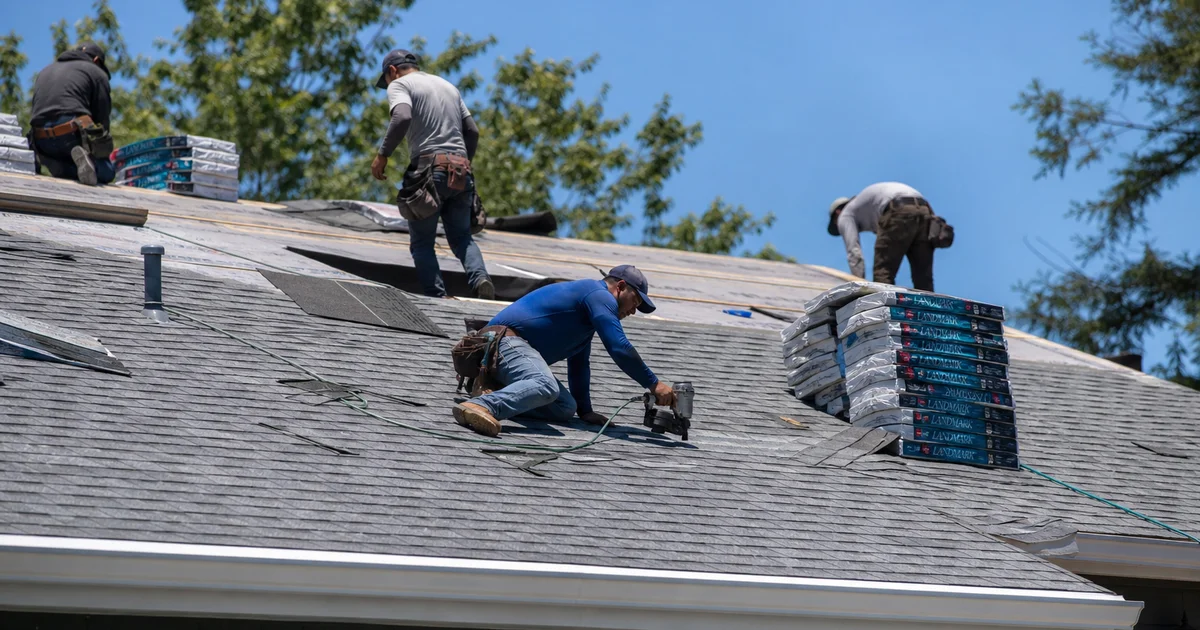
The Connecticut Roofing Season
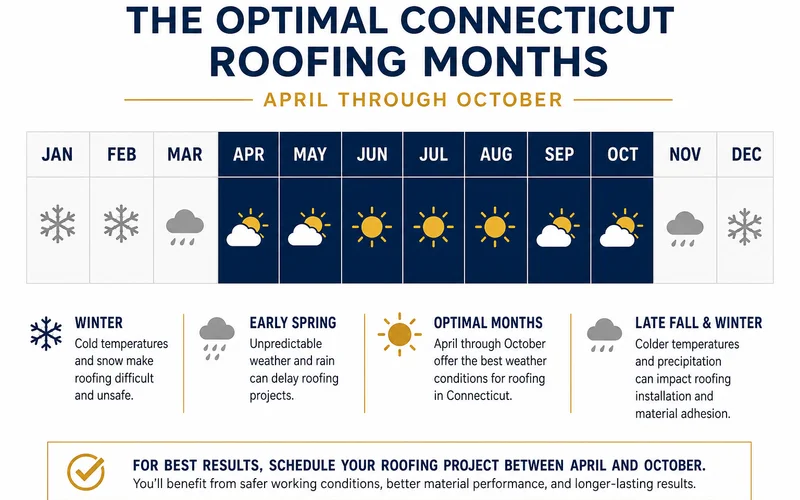
From what I’ve seen, managing a property in New England means learning to respect the weather window. The best time of year roof replacement connecticut schedules allow is undeniably between late April and October. Outside of those reliable months, the process becomes significantly more complicated. For the full scope of work behind this guide, see our roof replacement service.
We often see property owners pushing their luck into late November, but that gamble rarely pays off.
Manufacturer guidelines from companies like GAF and Owens Corning require ambient temperatures above 40°F for this sealant to activate naturally. Below that threshold, the standard strip will not seal unless crews manually apply roofing cement to every single shingle.
On roofs installed during a freezing December, that required ambient heat might not arrive until spring. We always advise planning your replacement during the optimal weather window to ensure top performance. Let’s look at the actual temperature constraints, break down the seasonal schedule, and explore the most cost-effective booking strategy.
Month-by-Month Reality
Here is a quick breakdown of how ambient temperature directly impacts roofing materials:
| Temperature Range | Shingle Condition | Installation Impact |
|---|---|---|
| Above 70°F | Optimal Pliability | Ideal for immediate bonding. Crews must watch for scuffing. |
| 40°F to 70°F | Functional | Standard protocols apply. Sealant strips activate naturally. |
| Below 40°F | Rigid and Brittle | High risk of cracking. Requires mandatory hand-sealing. |
Winter Months: Extreme Constraints
- January and February: Emergency-only installs. Active leaks receive permanent fixes while planned replacements stay on hold. We perform emergency tarping in any conditions to protect the underlying plywood decking. During these months, crews often switch to SBS-modified architectural shingles like Owens Corning Duration Flex because the rubberized asphalt resists cracking below freezing.
- December: Strictly emergency-only. Short days and freezing overnight temperatures make full residential replacements highly impractical.
Spring Awakening: The Schedule Opens
- March: Possible but heavily weather-dependent. A run of 50°F days allows installation to proceed safely. A sudden cold snap forces a complete pause to prevent material damage. We rarely accept planned spring roofing schedule bookings for this unpredictable month.
- April: The primary season officially begins. Mid-to-late April provides reliable conditions for planned installs across Hartford County and beyond. Temperatures finally stabilize enough for standard thermal sealants to bond without extra hand-sealing.
Summer and Fall: Peak Production
- May and June: This is a strong installation window with long workdays and manageable rain frequency. The moderate heat keeps materials pliable without making them overly soft.
- July and August: The peak summer heat presents unique logistical challenges. Mid-day rooftop temperatures easily exceed 140°F, which makes standard asphalt vulnerable to scuffing from work boots. We manage this by starting crews at 6:00 AM and taking extended midday breaks to ensure exceptional final installation quality.
- September and October: This marks the infamous fall rush. Connecticut property owners rush to book out schedules before the winter weather returns. The weather during a typical fall roof replacement ct project is the best of the year for materials and crews.
- November: Reasonable for early-month installations. By mid-November, ambient temperatures frequently drop below the crucial 40°F sealant threshold. We shift back to emergency-only status as Thanksgiving approaches.
Why Fall is the Busiest and Best Time of Year Roof Replacement Connecticut Homeowners Book
Connecticut sees massive demand in autumn. Average replacement costs for a standard 1,700-square-foot architectural shingle roof hover around $12,000 in 2026. Property owners want to protect that investment before severe weather hits. Two main factors drive this intense September and October booking pressure. See also: Signs Your Roof Needs to Be Replaced.
- Beat the harsh winter weather. Powerful coastal Nor’easters typically begin in October and batter the state through March. Standard HO-3 homeowners policies usually cover sudden wind damage, but claims for slow leaks caused by neglected wear and tear get denied quickly. Property owners want their aging shingles replaced before the first high-wind event rips them off completely.
- Process insurance-claim work. Severe wind and hail events in July and August generate hundreds of local claims. Insurance adjusters write their scopes throughout August, which rapidly converts into massive booking blocks for the early fall.
The practical implication requires advance planning. We suggest getting on the schedule in June or July if you want a guaranteed fall installation. Late summer bookings frequently get pushed to October or even early November due to high local demand.
When Winter Installs Make Sense
Occasionally, waiting for spring simply is not an option. We proceed with a winter roof installation under a few specific circumstances.
- Active leaks posing structural risks. Temporary tarping buys you some time against the elements. Leaving a tarp exposed to freeze-thaw cycles for an entire season usually leads to damaged decking and ruined attic insulation.
- Storm damage claims with strict insurance pressure. Insurance carriers despise leaving a compromised property on their books through January snowstorms. They know that a basic tarp can fail under heavy snow loads, leading to expensive secondary interior mold claims.
- A mild winter window suddenly opens. Connecticut sometimes gifts us a random stretch of 40°F days in February. We can safely execute a full replacement if the scheduling aligns perfectly with this weather break.
For planned upgrades with zero urgency, winter remains the wrong choice. The Connecticut State Building Code rigorously enforces the use of specific ice and water shield membranes at the eaves. Applying these crucial underlayments to frozen plywood severely limits their adhesive strength. We strongly prefer you wait three months to ensure maximum material performance.
Spring Booking Strategy
Waiting until spring to start making calls puts you at a massive disadvantage. We advise a much more proactive approach if your property shows end-of-life signs but currently lacks an active leak. Material costs historically rise by 5% to 10% every spring as manufacturers adjust their annual pricing. The most cost-effective scheduling strategy involves moving early.
- Secure a comprehensive written estimate by November. This locks in current-year pricing before the January manufacturer hikes take effect.
- Sign the formal agreement and submit the deposit in December. A standard deposit secures your spot on the production board safely.
- Confirm an early-April installation date. You guarantee that your property is front-of-line the moment ambient temperatures safely reach 50°F.
This specific timeline allows you to enter the harsh winter months with a confirmed plan. You avoid the chaotic rush of emergency calls when the first spring rains arrive. Our production team typically fills the entire April and May installation calendar before the end of January. Getting ahead of this curve saves you money and eliminates unnecessary stress.
What If You Have an Active Leak Right Now?
Water intrusion demands immediate action regardless of the current temperature outside. Call (203) 824-0275 for emergency roof tarping to secure fast response during our office hours, Monday through Friday, 7:00 AM to 6:00 PM. We dispatch crews quickly to address the vulnerability before structural damage occurs.
Leaving a roof leak exposed for even a few days introduces serious financial risks. Moisture quickly degrades the standard plywood sheathing and heavily saturates your attic insulation. A professionally secured tarp completely protects the structural integrity of your home throughout the long winter freeze.
We document the exact storm damage thoroughly for your insurance adjuster before weather conditions worsen. The permanent replacement then gets efficiently scheduled for the first viable weather window. This single proactive step secures your property safely until the best time of year roof replacement connecticut schedules open back up in the spring.