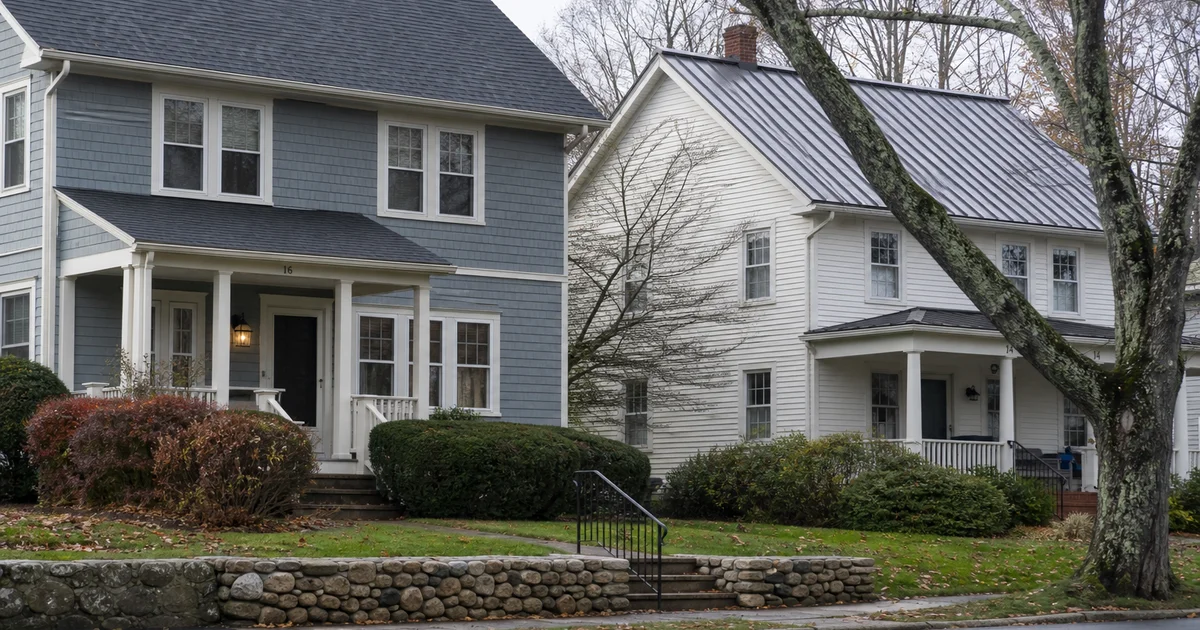
We understand the stress of choosing a new roof for your Connecticut property.
For the full scope of work behind this guide, see our asphalt shingles service.The stakes are high when replacing an aging system, and comparing an asphalt vs metal roof requires looking closely at the data. Our team observes exactly how extreme weather impacts different materials across the state. You need a solution that balances your budget with long-term protection.
Recent 2026 market shifts have widened the price gap between these options. A quick decision might cost you thousands over the lifespan of the property.
We will break down the true costs, highlight regional weather factors, and show you exactly how to pick the right system.
The Side-by-Side That Actually Matters
The choice between asphalt and metal comes down to your budget, how long you plan to stay, and the structural needs of your home. Metal offers decades of durability, while asphalt provides excellent value and a lower upfront barrier.
| Factor | Architectural Asphalt | Standing Seam Metal |
|---|---|---|
| Upfront cost (typical CT) | $7,499-$16,000 | $18,000-$45,000 |
| Lifespan (CT climate) | 20-25 years | 40-50 years |
| Wind rating | 110-130 mph | 140+ mph |
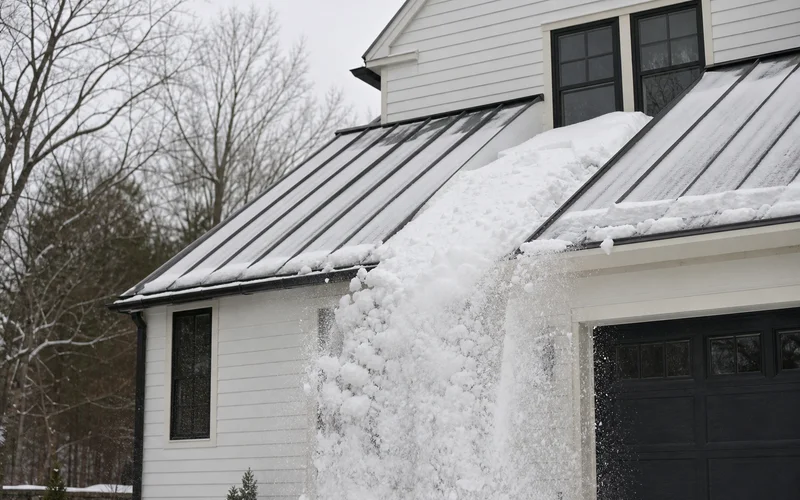
| Snow shedding | Holds snow | Sheds snow |
| Ice-dam behavior | Vulnerable | Resistant |
| Hail performance | Damaged 1”+ | Damaged 1.5”+ |
| Aesthetic match (CT) | Universal | Selective |
| Resale value | Standard | Premium on right home |
| Insurance discount | Standard | 5-10% possible |
We update these numbers regularly to reflect local market conditions. Steel tariffs in 2026 pushed metal prices up roughly 15%, solidifying that $18,000 baseline.
Our estimators find that this shift makes asphalt the more accessible choice for many local families. You have to weigh that initial sting against the long-term benefits.
The 30-Year Cost Math
Most comparisons stop at the initial price tag, making asphalt look like the obvious winner. The 30-year math tells a completely different story. We track these life-cycle costs to give property owners a realistic financial picture.
- Asphalt path: $10,000 today plus $13,000 in year 22 (inflation-adjusted) equals $23,000 total over 30 years.
- Metal path: $26,000 today with no replacement needed in the 30-year window equals $26,000 total over 30 years.
- Energy factor: Metal roofs reflect solar heat and can reduce summer cooling costs by 10% to 25%.
The two paths cross at about year 28 to 32. Our data shows that metal often wins on total cost if you own the home longer than three decades.
Selling within 15 years usually makes asphalt the better choice for the resale-recapture math.
When Metal Wins
Metal roofing provides superior weather resistance and is the right call for specific situations. We recommend this material when longevity and performance outweigh the initial expense.
See also: Architectural vs 3-Tab Asphalt Shingles.- You are staying 15+ years. Tenure matters for capturing the lifespan investment and avoiding a second roof replacement.
- Chronic ice-dam exposure. North-facing slopes in Avon, the West Hartford hills, or Manchester face consistent ice-dam history.
- Snow-shed aesthetic. Homes like modern colonials, farmhouses, and contemporaries genuinely look better with a standing seam profile.
- High wind exposure. Hilltop homes in Bristol, Avon, or other elevated locations benefit from the 140+ mph wind rating.
- Solar planning. Standing seam systems allow you to mount solar panels using clamps like the Unirac system, completely avoiding roof penetrations.
Our crews install these systems knowing they essentially eliminate ice dam water penetration. The design features no horizontal seams for water to back up under. You also get a surface that sheds heavy New England snow loads instantly.
When Asphalt Wins
Asphalt shingles remain the standard for a very good reason. We install high-quality fiberglass-backed options because they deliver exceptional value and reliable protection.
- You are selling within 10 years. The cost premium on metal rarely captures fully in resale, whereas asphalt recoups about 60% to 65% of its value.
- Tract-home aesthetic. Most suburban Hartford County homes look right with standard architectural asphalt.
- Budget priority. The $7,499 to $16,000 range is genuinely more accessible than $18,000 to $45,000.
- Adequate ventilation already in place. Good existing attic ventilation allows an asphalt roof to reach the upper end of its 25-year lifespan range.
For these projects, we often specify proven brands like GAF Timberline HDZ or CertainTeed Landmark. These specific lines handle standard Connecticut weather perfectly.
Our team ensures proper airflow during installation to prevent the shingles from baking from the inside out.
The Connecticut-Specific Factors
Local geography dictates how a roof performs over time. We evaluate specific environmental threats before making any material recommendation.
Code Requirements and Wind
The 2022 Connecticut State Building Code mandates rigorous wind design standards. Inland areas require resistance to 125 mph wind gusts. Coastal areas near New Haven demand protection up to 135 mph.
Both high-end architectural asphalt and standing seam metal meet these codes. Metal simply provides a wider safety margin during severe winter storms.
Snow Loads and Ice Dams
Snow load and ice-dam exposure are real factors that matter less in southern states. Metal’s snow-shedding behavior provides a genuine functional advantage here.
We see the most benefit on homes that have suffered recurring ice-dam damage on the exact same slopes year after year.
Hail and Resale Trends
Hail performance matters less here than in tornado-alley states. Connecticut hail events are typically smaller, usually under 1.5 inches. This size causes some shingle damage but rarely dents structural metal.
Cosmetic resale considerations lean toward asphalt for most Hartford County neighborhoods. We know that West Hartford, Avon, and certain colonial-heavy areas accept metal aesthetically.
Tract-home subdivisions in newer parts of Newington, East Hartford, and Bristol typically prefer the traditional look of shingles.
The Hybrid Approach
You can combine materials to balance performance and budget. We use this strategy for long-tenure owners who want the benefits of metal without the full-system price tag.
- Standing seam front, asphalt back. This cuts costs meaningfully while delivering the premium metal aesthetic on the most visible slope.
- Metal accents with a main asphalt field. Covering dormers or low-slope sections with metal delivers design impact without the full-roof cost.
- Metal house, exposed-fastener outbuildings. Using a ribbed exposed-fastener metal on a shed or detached garage saves money compared to hidden-fastener standing seam.
You can ask our installers to quote any of these hybrid configurations. They are not extremely common, but they work perfectly for the right property. You get targeted protection exactly where the building needs it most.
How We Make the Recommendation
The decision always starts with your specific goals. We offer a free written estimate to evaluate the property and talk through your options.
The evaluation process requires answering three core questions before selecting a material:
- How long do you plan to own the home?
- Have you had ice-dam damage on this roof?
- What is the priority: upfront cost, life-cycle cost, or aesthetic?
Your answers usually point clearly to one or the other. We are not philosophically committed to either material.
The company installs both depending on what is right for the home and the owner. This radical honesty model means we would rather lose a metal roof sale than push you into a product that does not fit the situation.
Reach out today, and let our team help you make the right choice for your property.