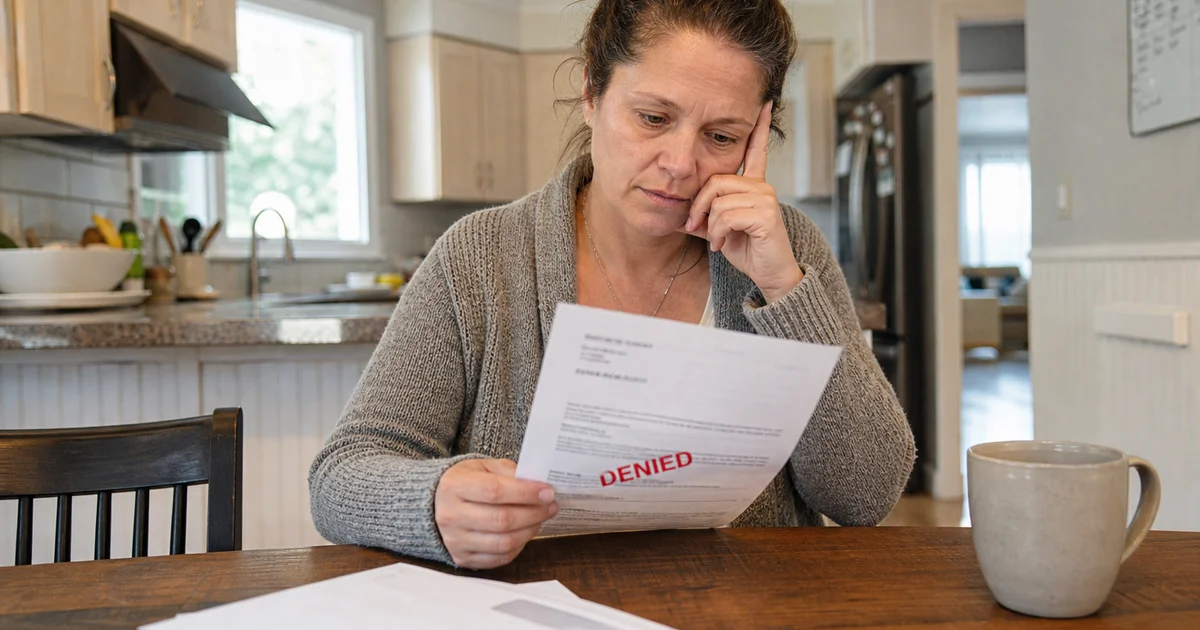
From what we see across Connecticut, a roof insurance claim denied is rarely the end of the conversation. That initial rejection letter usually feels like a final verdict, especially when you are trying to mitigate active water intrusion. The reality is that adjusters reject these initial requests based on a very predictable set of administrative and procedural triggers.
We know that understanding exactly why the desk adjuster said no gives you the exact blueprint for pushing back.
It is almost always a matter of missing documentation rather than a lack of actual damage.
Let’s examine the real data behind these carrier decisions and map out the exact steps to appeal the result.
Roof Insurance Claim Denied: Why Rejections Happen
Claims are typically rejected because adjusters attribute the damage to age rather than a covered storm event. Insurers use specific policy language and strict filing deadlines to justify these decisions.
- No covered cause. The carrier determined the damage is from wear or maintenance neglect, not a covered event like wind or hail. Adjusters frequently rely on aerial drone imagery that only captures cosmetic surface issues. Our experience shows this is the most common reason for full denials on roofs over 15 years old.
- Pre-existing damage. The carrier believes the damage existed before the storm event you cited. You will find it hard to dispute this without strong pre-storm photo documentation.
- Missed notification window. The claim was filed outside the policy notification window. Most CT policies allow 12 to 24 months to file after a storm. Missing this hard deadline gives the carrier an automatic reason to close the file.
- Excluded damage type. Cosmetic-only damage, settling, or gradual water leaks are sometimes explicitly excluded. The Connecticut Insurance Department actually supports insurers denying claims for purely cosmetic issues like algae streaking.
- Inadequate documentation. The adjuster could not verify the damage cause, scope, or timing from the evidence provided. Many homeowners submit free National Weather Service data, which lacks the address-specific precision carriers require.
- Coverage gaps. The specific damage falls outside the policy coverage map, such as flood damage on a non-flood policy.
Your Appeal Options
Most rejections are not final decisions. You have several clear appeal routes available depending on the size of the loss and the carrier’s reasoning.
| Appeal Route | Typical Timeframe | Best Used For |
|---|---|---|
| Internal Carrier Appeal | 30 to 60 Days | New evidence or minor scope disagreements |
| Supplement Filing | 14 to 30 Days | Partially approved claims missing key items |
| Public Adjuster | 3 to 6 Months | High-value denials over $10,000 |
Option 1: Internal Carrier Appeal
Every carrier has an internal review process designed to handle disputes. The denial letter typically describes the exact steps required to file your response.
- Read the denial letter carefully. Note the specific reason and the strict appeal deadline.
- Request the adjuster’s complete file. You are entitled to the photo documentation, scope of loss, and native software notes that supported the denial.
- Build the appeal packet. Address the specific denial reason directly with counter-evidence.
- Submit the appeal in writing. You must do this within the carrier’s window, which usually runs 30 to 60 days from the denial date.
- Follow up systematically. Track all communications in writing to establish a clear paper trail.
Carriers reopen 20% to 40% of internally-appealed claims on the basis of new evidence. Our appeals department sees the highest success rate when homeowners provide fresh, certified weather reports.
Option 2: Re-Inspection Request
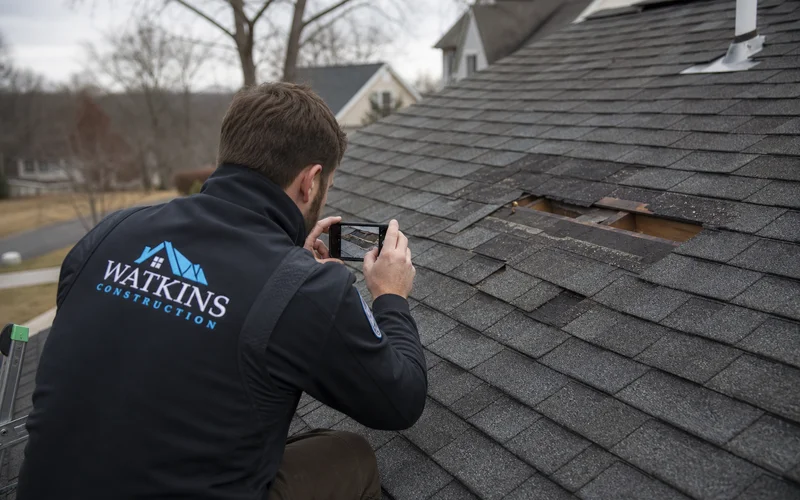
If the original inspection was rushed or conducted from the ground, you can request a re-inspection by a different adjuster. A fresh set of eyes often removes the bias of the initial visit.
You need a solid justification to trigger this process. Carriers typically approve a second look for a few specific reasons:
- New evidence has surfaced.
- Original inspection did not access the roof physically.
- Original adjuster’s photos are blurry or inadequate.
- A contractor’s professional inspection contradicts the initial assessment.
We provide free post-denial re-inspections with detailed photo documentation. A licensed contractor report submitted alongside your request often forces a completely different outcome.
Option 3: Supplement Filing
If the claim was partially approved but key items were excluded, a supplement filing addresses the gap. Supplements act as formal additions to the scope of loss and require strong contractor-provided evidence.
This is the most common path for claims that were under-scoped rather than fully rejected. Most Connecticut insurance claim work involves at least one supplement.
Our team frequently uses state regulations during the supplement process to protect your investment. If an insurer approves a small patch but the new shingles do not match the old ones, you have strong grounds to request a full roof replacement.
The Connecticut Matching Statute: Conn. Gen. Stat. Section 38a-316e requires insurers to replace adjacent items to conform to a “reasonably uniform appearance” if the new materials do not match the old ones.
Option 4: Independent Adjuster Review
Hiring an independent adjuster to re-assess and represent your interest can move stalled claims. These professionals, also called public adjusters, work entirely on your behalf rather than for the insurance company.
Connecticut law dictates that public adjusters typically charge a standard fee around 10% of the recovered amount. State regulations also prohibit them from charging a fee if the insurer offers the full policy limits within 30 days of the loss.
This path is worth considering only on larger claims where the financial gap is significant. The cost simply does not justify the benefit for smaller residential repairs.
- The claim value exceeds $10,000.
- The carrier completely ignores your internal appeals.
- You lack the time to manage complex claim correspondence.
Option 5: Connecticut Insurance Department
The Connecticut Insurance Department mediates disputes between policyholders and carriers through their Consumer Affairs Division. Filing a formal complaint is a serious escalation that forces the carrier to explain their decision to state regulators.
- Does not automatically override the carrier’s decision.
- Often prompts the carrier to re-review the file with a senior manager.
- Creates an official state record that can support legal action.
- Free to file online with no upfront cost.
You should consider this route when internal appeals hit a wall. Our clients have found success here when there is clear evidence of bad-faith claim handling.
Option 6: Legal Action
Consulting a Connecticut insurance attorney is the last formal step for high-value claims where all other appeals have failed. Attorneys typically work on a contingency basis for these specific cases.
The state enforces a strict two-year statute of limitations for filing property damage lawsuits. You must file your legal action before that two-year mark hits, regardless of where you are in the internal appeals process.
This expensive path is appropriate only after you exhaust internal routes. The disputed dollar amount must clearly support the required time and legal fees.
What Documentation Strengthens an Appeal
Successful appeals rely on concrete evidence rather than emotional arguments. You must provide specific data that directly contradicts the adjuster’s original findings. See also: Working with Insurance Adjusters: What to Expect.
Adjusters look for objective proof to justify overturning a previous decision. Securing the right reports makes it very difficult for the carrier to maintain their denial.
- Professional re-inspection report: Must include macro-level photo documentation showing creased shingle tabs or wind uplift.
- Address-specific weather verification: Premium tools like CoreLogic STRIKEnet provide exact hail sizes and wind speeds, which carry far more weight than free National Weather Service reports.
- Pre-storm roof condition documentation: Recent real estate listing photos or prior maintenance receipts prove the damage is recent.
- Code-requirement citations: Original scopes often miss mandatory local building code upgrades required by Connecticut law.
- Independent contractor estimates: Detailed scopes that document the actual, current local cost of the required work.
Our estimating team secures these specialized weather reports to prove exact wind speeds at your specific address. This targeted data forces the carrier to acknowledge the storm event.
Common Mistakes That Hurt Appeals
Homeowners often sabotage their own appeals by acting too quickly or communicating poorly. Avoiding a few critical errors keeps your legal rights intact and the claim open.
- Do not make permanent repairs before the appeal is complete. Courts refer to this as the “spoliation of evidence.” Repairing the damage before a formal re-inspection gives the carrier an easy excuse to deny the claim.
- Do not accept a partial settlement just to finish the process. Cashing an Actual Cash Value check and signing a release generally closes the claim permanently.
- Do not communicate verbally only. Every single appeal-related conversation must be followed up with an email to create a verifiable paper trail.
We strongly recommend keeping a dedicated digital folder for all claim correspondence. A perfectly documented timeline is your best defense against endless carrier delays.
When the Denial Is Actually Right
Sometimes carriers deny claims correctly because the damage genuinely falls outside the policy terms. Continued appeals in these specific situations simply waste your time and money.
Insurance policies cover sudden, accidental damage rather than long-term deterioration. If your roof has widespread granular loss from 20 years of sun exposure, the carrier is completely justified in rejecting the request.
- End of useful life: The shingles have naturally degraded over 20 or more years.
- Poor original installation: The damage is due to faulty workmanship, not weather.
- Lack of maintenance: Accumulation of debris or moss caused the failure.
We give you a completely honest read on whether the denied roof claim appeal has merit. Sometimes the answer is that the carrier is right and the damage is simply wear-related.
That is a hard answer to hear when you need a new roof. It is much better than helping you chase an unwinnable battle against a massive insurance company.
How to Start an Appeal
Taking the right first step is crucial if your claim has been denied or severely under-scoped. You need a professional assessment before sending any angry letters to the carrier.
- Call (203) 824-0275 for a free re-inspection and damage assessment.
- Provide us with the original denial letter and the adjuster’s inspection record.
- We give you a straightforward answer on whether an appeal makes financial sense.
- If viable, our team builds the documentation packet and represents you at the adjuster meeting.
We charge no upfront cost for clients we represent during this specific process. This arrangement means the appeal-related re-inspections and supplements are paid entirely through the eventual recovered claim proceeds.
Protecting your home starts with challenging an unfair decision. If you are dealing with a roof insurance claim denied, reach out today to schedule your free inspection and get the professional representation you deserve.