We see the same avoidable winter roof damage year after year.
Inland areas like Hartford County average 51.7 inches of snow annually. That heavy accumulation is the primary trigger for winter roof leaks. Our crews know that effective ice dam prevention Connecticut property owners rely on is entirely achievable with the right preparation.
Let’s examine the data, what it actually tells us about heat loss, and outline the exact steps to protect your property.
What an Ice Dam Actually Is
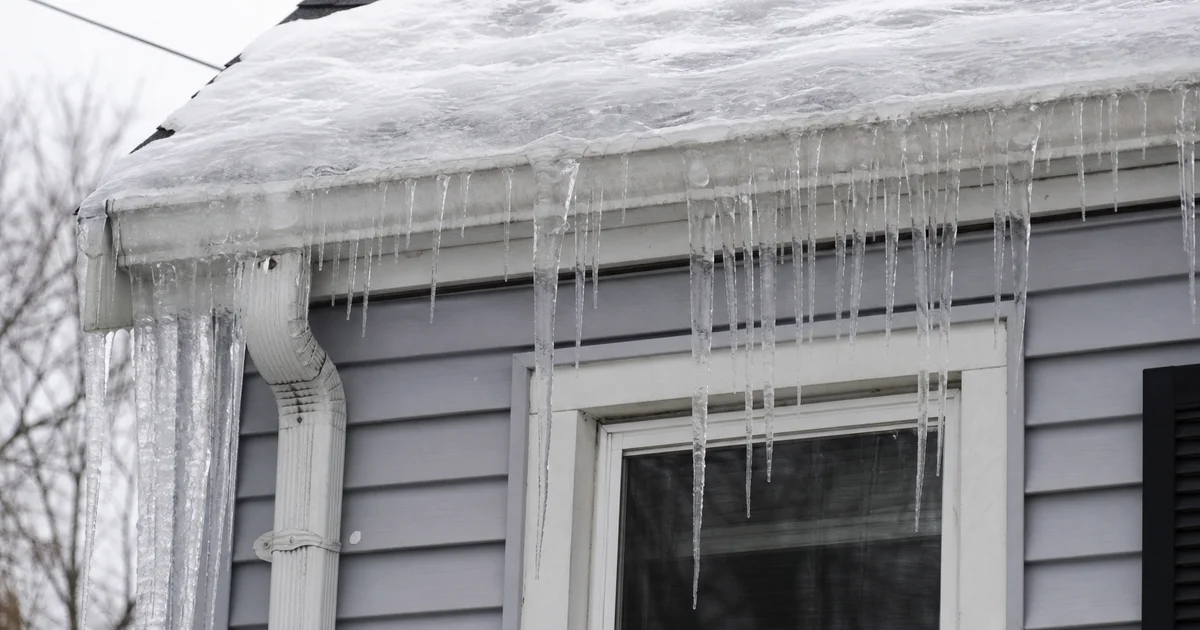
An ice dam forms when snow on the upper roof melts, runs down the slope, and refreezes at the colder eave. This temperature differential requires the upper deck to be above 32 degrees Fahrenheit while the eaves remain below freezing. The cycle repeats over a snowy week, and the resulting ice ridge forces water backward.
We know that this trapped moisture does not just sit harmlessly on the surface. It works under the shingles and defeats standard felt paper. Connecticut building codes require a specialized Ice and Water Shield membrane installed at least 24 inches past the interior exterior wall line, but older homes often lack this critical defense.
Our crews see how that backed-up water causes the true financial pain. The visible ice is merely a late-stage symptom. By the time you spot icicles hanging from the eaves, water has already breached the shingle line.
The Root Cause: Attic Heat Loss
The reason snow melts on the higher sections of the roof is heat escaping from the conditioned space below. This happens through inadequate attic insulation and poor air sealing. The roof deck on the upper slope warms above freezing, melting the snow.
Gravity then sends that water down to the eave, where the framing is cold because there is no living space directly beneath it. This dynamic makes ice dams an insulation and ventilation problem rather than a strict roofing failure. Our inspections reveal that fixing the core heat loss is the only permanent solution.
The most effective long-term fixes include a three-step approach:
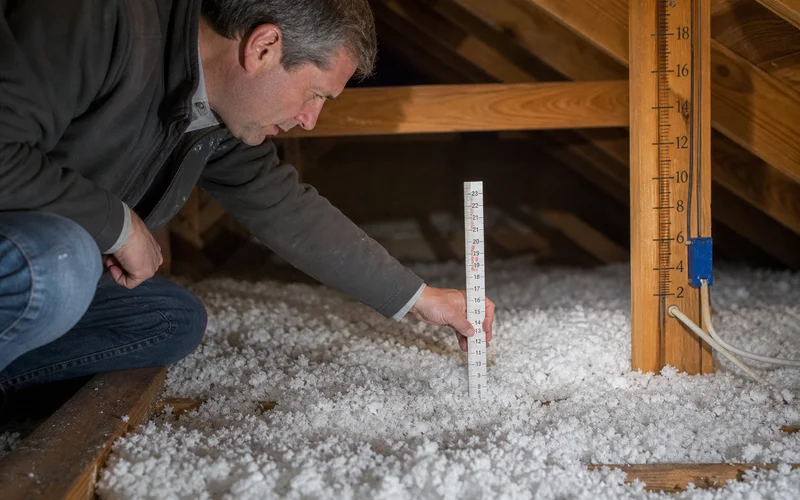
- Bring attic insulation up to R-49 or higher. Most Connecticut homes built before 1990 are significantly under-insulated. Hitting R-49 requires about 14 to 18 inches of loose-fill cellulose or fiberglass.
- Seal attic bypass air leaks. Recessed lights, attic hatches, plumbing chases, and bathroom exhaust fans leak massive volumes of warm air upward.
- Establish proper intake-exhaust ventilation. Continuous soffit-to-ridge airflow keeps the attic deck cold and dry. We address this required airflow on every roof replacement as part of the standard scope.
You will need to choose the right material for your upgrade. The table below outlines the two most common options for Northeast attics.
| Insulation Type | R-Value Per Inch | Best Application |
|---|---|---|
| Loose-Fill Cellulose | R-3.2 to R-3.8 | Excellent for filling around obstructions and resisting airflow. |
| Blown-in Fiberglass | R-2.2 to R-2.9 | Ideal for achieving deep coverage without adding excessive weight to ceilings. |
We help clients offset these costs through the Energize CT Home Energy Solutions program. As of the 2025 and 2026 seasons, this statewide rebate covers up to $1.70 per square foot for approved insulation upgrades. That incentive can pay for up to 75 percent of your total project cost.
Our installation teams ensure the combination of high R-value insulation, sealed air leaks, and active ventilation keeps the entire roof deck close to the outside temperature. Snow accumulates naturally, refuses to melt prematurely, and leaves no water to refreeze at the edge.
The November Prep Checklist
Working the checklist below in late October or early November is essential for proper CT winter roof prep. Proactive maintenance consistently prevents emergency calls in February. See also: How to Choose a Roofing Contractor in Connecticut.
Our team focuses on six specific areas for cold-weather prep:
- Clear the gutters and downspouts. Backed-up debris concentrates ice-dam water right against the vulnerable fascia board.
- Inspect the attic for visible insulation depth. If you can clearly see the tops of your ceiling joists, your home is severely under-insulated.
- Check soffit vents from below. Verify that they are clear, unpainted, and not stuffed with old insulation that chokes off fresh air.
- Look at the ridge vent from outside. Confirm the exhaust path is continuous and not obstructed by outdated snow guards from a previous job.
- Scan the lower roof for lifted shingles. Check for visible flashing failures around chimneys or skylights. Fix these weak points before they become active winter leaks.
- Address the attic if you had ice dams last year. The root cause will never go away on its own.
A common oversight involves bathroom exhaust fans venting directly into the attic instead of outside. This pumps warm, moist air straight into your cold roof deck, accelerating both ice dam formation and mold growth.
We provide a free winter-prep inspection if you spot concerning signs during your walk-through. Using an infrared thermometer like the Klein Tools IR1 can help you spot cold spots on your ceiling before the snow even falls. Written estimates are standard practice, even when the project might simply be a minor ventilation upgrade.
Visible Damage Signs to Watch Through Winter
Even with solid preparation, you need to monitor the roof during a heavy Connecticut winter storm. Hartford county ice dams often develop rapidly during a freeze-thaw cycle.
We advise homeowners to watch for these four critical indicators:
- Long icicles forming along the eaves. A few small icicles are normal after a sunny afternoon, but long, heavy, thick icicles signal active and dangerous ice damming.
- Water staining on interior ceilings. This moisture often shows up first in the corner of a top-floor room near an exterior wall.
- Damp insulation visible in the attic. A quick flashlight walk-through tells you immediately if water has breached the roof deck.
- Sagging gutters from extreme ice weight. Standard aluminum gutters simply cannot hold a continuous, solid ice ridge.
You should never ignore these early warnings. Water travels along rafters and pipes, meaning the actual leak might be feet away from the interior stain.
Our emergency crews treat any of these signs as a same-day priority. Active ice dam roof damage compounds fast, often ruining drywall and hardwood floors within 48 hours.
What NOT to Do When You See an Ice Dam
Panic often leads to poor decisions when water starts dripping into a living room. Property owners frequently attempt dangerous DIY fixes that void warranties and cause massive damage.
We constantly repair roofs ruined by three common winter mistakes:
- Do not chip the ice with a hammer or hatchet. Blunt force shatters the brittle, frozen asphalt shingles underneath and destroys the waterproof underlayment.
- Do not use a pressure washer or hot water. Pouring boiling water over the eave can crack frozen shingles and flood your attic instantly.
- Do not climb on the roof. An iced Connecticut roof ranks as one of the most dangerous surfaces in residential maintenance.
“Never throw standard rock salt onto your roof to melt an ice dam. Sodium chloride destroys asphalt shingles and accelerates corrosion on your aluminum gutters. If you must use a chemical melt, calcium chloride pucks are a safer temporary measure.”
Our preferred safe DIY option is using a long-handled aluminum snow tool from the ground. Products like the telescoping Roof Razor or a Garelick roof rake allow you to safely pull snow off the lower three to four feet of the roof slope.
This simple clearing action removes the fuel source for the ice dam. You eliminate the snow that would eventually melt and refreeze at the eave, all without putting yourself at risk on a ladder.
When to Call for Active Ice-Dam Damage
If you see active water staining inside or significant ice ridge formation at the eaves, you need professional intervention. Delaying the call only increases the interior drywall and flooring restoration costs.
We respond quickly during office hours, Monday through Friday from 7:00 AM to 6:00 PM, throughout our service area. The only correct and safe method for addressing immediate buildup is controlled, low-pressure steam removal. Our specialized equipment operates at 300 degrees Fahrenheit to slice through the ice without ever touching the shingle granules.
Once the roof is clear, we document the underlying cause to recommend a follow-up insulation or ventilation upgrade. Active winter storm damage repair often qualifies for homeowners insurance coverage.
We work directly with your adjuster to ensure the claim is accurate and reflects the required structural fixes. Have the following information ready when contacting our dispatch team:
- Your insurance provider details.
- Clear photos of the interior water damage.
- A timeline of exactly when you noticed the leak.
Proper ice dam prevention in Connecticut requires a proactive mindset and an understanding of your home’s thermal envelope. Call our office today to schedule your comprehensive winter inspection, and let us protect your property before the next freeze.